簡體中文
簡體中文 English
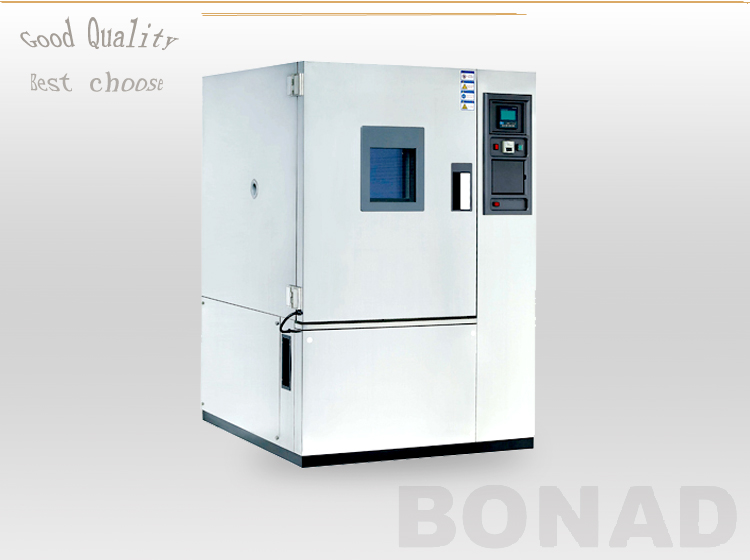
In the contemporary automotive manufacturing sector, ensuring the quality and performance of products through rigorous inspection is paramount. As advancements in automotive technology progress and consumer expectations for vehicle performance rise, testing methodologies and equipment must also advance. High-low temperature cycling test chambers, which replicate extreme temperature environments, have become crucial in the evaluation of automotive products.
Replicating Real-World Conditions
Automobiles, as outdoor transportation modes, are frequently subjected to diverse and challenging climatic conditions, from the frigid cold of winter to the scorching heat of summer. These extreme environments significantly impact the performance and reliability of vehicles and their components. High-low temperature cycling test chambers can simulate temperature ranges from several degrees below freezing to several degrees above, providing a testing environment that closely mimics real-world conditions. By conducting repeated tests under these conditions, automotive products' performance can be more accurately assessed, ensuring reliable operation across various climates.
Identifying Potential Issues
During automotive product manufacturing, potential issues or defects may arise due to material imperfections, incorrect processes, and other factors. These problems might be undetectable at normal temperatures but become evident under extreme conditions. High-low temperature cycling test chambers expedite the manifestation of such issues by simulating harsh environments, enabling inspectors to identify and address problems promptly, thus preventing potential safety hazards. For example, certain plastic components may become brittle in cold temperatures or deform in high heat. High-low temperature tests can preemptively identify these issues and facilitate necessary improvements.
Enhancing Product Quality and Reliability
High-low temperature cycling test chambers not only replicate real-world conditions but also thoroughly evaluate the quality and reliability of automotive products. By repeatedly testing under varying temperatures, various performance metrics such as power output, braking efficiency, and fuel economy can be assessed. This ensures that automotive products meet established standards under all conditions, thereby enhancing overall quality. These tests allow for optimization in product design and material selection, boosting the reliability and durability of automotive products while improving consumer satisfaction.
Complying with Industry Standards and Regulations
As the automotive industry evolves, global governments and industry associations are imposing stricter standards on the quality and performance of automotive products. These standards often relate to how vehicles perform under different temperature conditions. High-low temperature cycling test chambers are essential tools for meeting these stringent requirements. Through such tests, manufacturers can ensure compliance with relevant standards and regulations, securing market entry qualifications and gaining consumer trust. For instance, European ECE regulations and American FMVSS standards specify requirements for vehicle performance under varying temperatures. Utilizing high-low temperature test chambers is a vital method for adhering to these regulatory demands.
Practical Uses of High-Low Temperature Cycling Test Chambers
In practical applications, high-low temperature cycling test chambers are extensively used across various aspects of automotive products including engines, electronic control systems, transmission systems, and body materials. For example, when evaluating engines, these chambers can simulate startup performance and operational stability under extreme temperatures. In electronic control system testing, they assess the reliability and response speed of control units amid temperature fluctuations. For transmission systems, they evaluate the durability and performance of gearboxes and drive shafts at different temperatures. These tests provide scientific data crucial for product improvement.
Conclusion
High-low temperature cycling test chambers are indispensable for automotive product testing. They replicate real-world conditions, uncover potential issues early on, enhance product quality and reliability while ensuring compliance with industry standards. Through these tests, manufacturers can guarantee stable product performance under extreme conditions thus bolstering market competitiveness. As automotive technology continues to evolve, high-low temperature cycling test chambers will increasingly play a pivotal role in future product development and quality assurance.